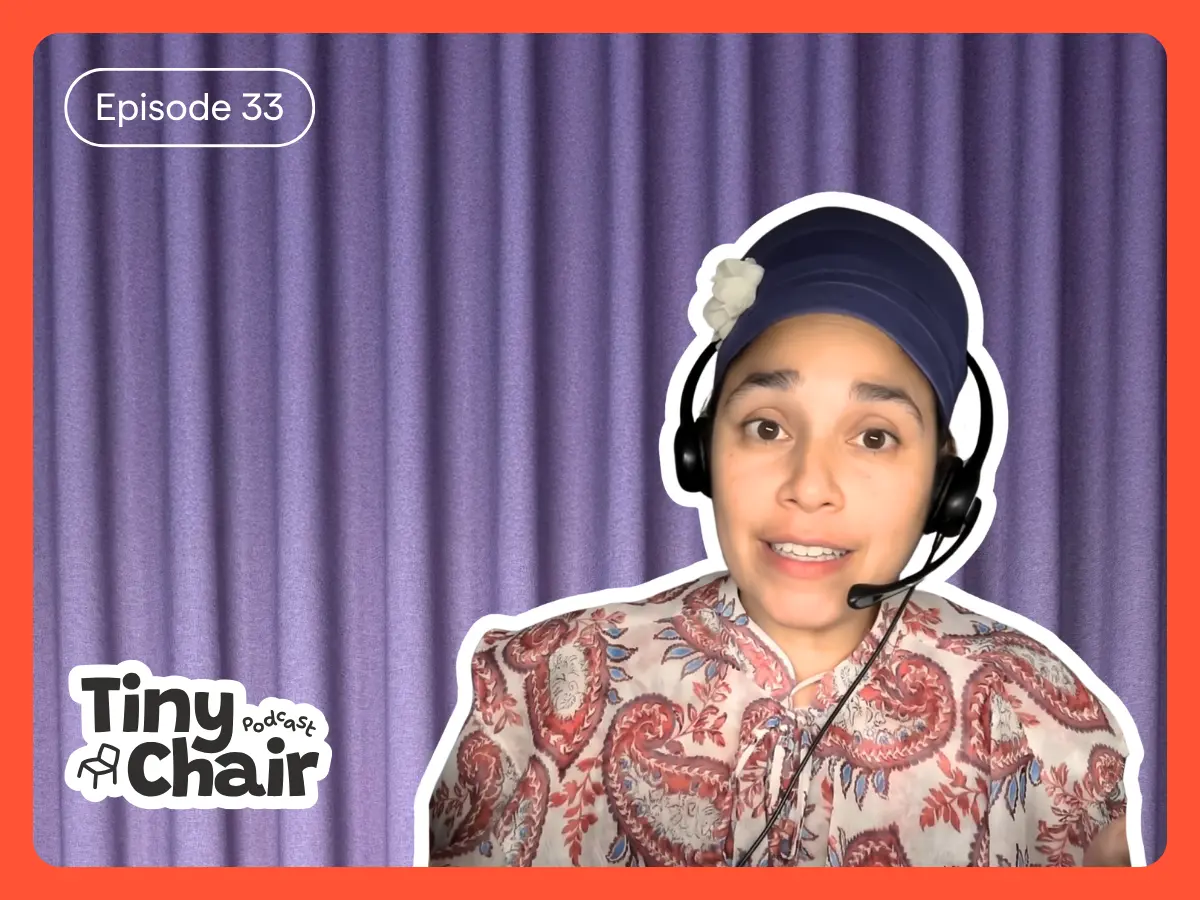

Sukhy is a former Primary Teacher, children's author and founder of SK Author Workshops. Following her own experience of challenging times for wearing a turban as a child, she made it her mission to ensure every child feels seen, valued and represented. Through her Paras and Pete sensory book series and highly interactive workshops, Sukhbinder champions cultural diversity, inclusion, neurodiversity and belonging, helping children celebrate differences from the grassroots level. Her workshops combine storytelling, puppetry, sensory learning and hands-on experiences to create memorable learning opportunities that foster empathy, understanding and acceptance. Sukhy is passionate about breaking down barriers in education and empowering schools to create environments where every child can thrive and feel that they truly belong.
When offering hands-on engagement with religious items in Early Years settings, as Sukhy does with turbans in her workshops, respect is key. Sukhy advises that an activity where real religious symbols and objects are explored should be adult-led, guided, and meaningful.
Sukhy shares the example of the turban, which Sikh people see as a crown, as it carries values and responsibilities. She explains that the turban should be treated accordingly, for example by storing it in a box rather than leaving it on the floor.
Sukhy suggests that teaching about festivals and celebrations from a range of faiths is the most accessible starting point for educators wishing to introduce cultural and religious diversity. This approach normalises diversity without requiring a child from that background to be present in the setting, and mirrors how children already understand cultural milestones such as birthdays and wedding and celebrations from their own cultures and faiths.
Resources are most meaningful when created by people with lived experience of the culture or faith being depicted, so educators should carefully consider the origins of the resources they choose.
Sukhy refers to Dr Rudine Sims Bishop's "Mirrors, windows, and sliding glass doors" (which we learned about in Laura Henry-Allain's episode) as a framework for auditing and improving representation in your Early Years setting.
Sukhy reiterates the point that proactive rather than reactive when it comes to diversity and inclusion is essential in Early Years settings. Waiting for a child from a particular background to join a setting before introducing relevant resources sends an unwelcoming message and misses the opportunity to prepare all children for the diverse world they will encounter.
Sukhbinder's lived experience is her driving a mission for inclusivity. Her childhood experiences of bullying and institutional indifference (including a teacher's dismissive response to discriminatory graffiti) directly inspired her work as an author and workshop facilitator.
Sukhy noticed that there was a significant gap in mainstream Early Years resources representing the Sikh faith, meaning educators who wished to introduce the Sikh faith often lacked the tools to do so authentically.

Start listening now


