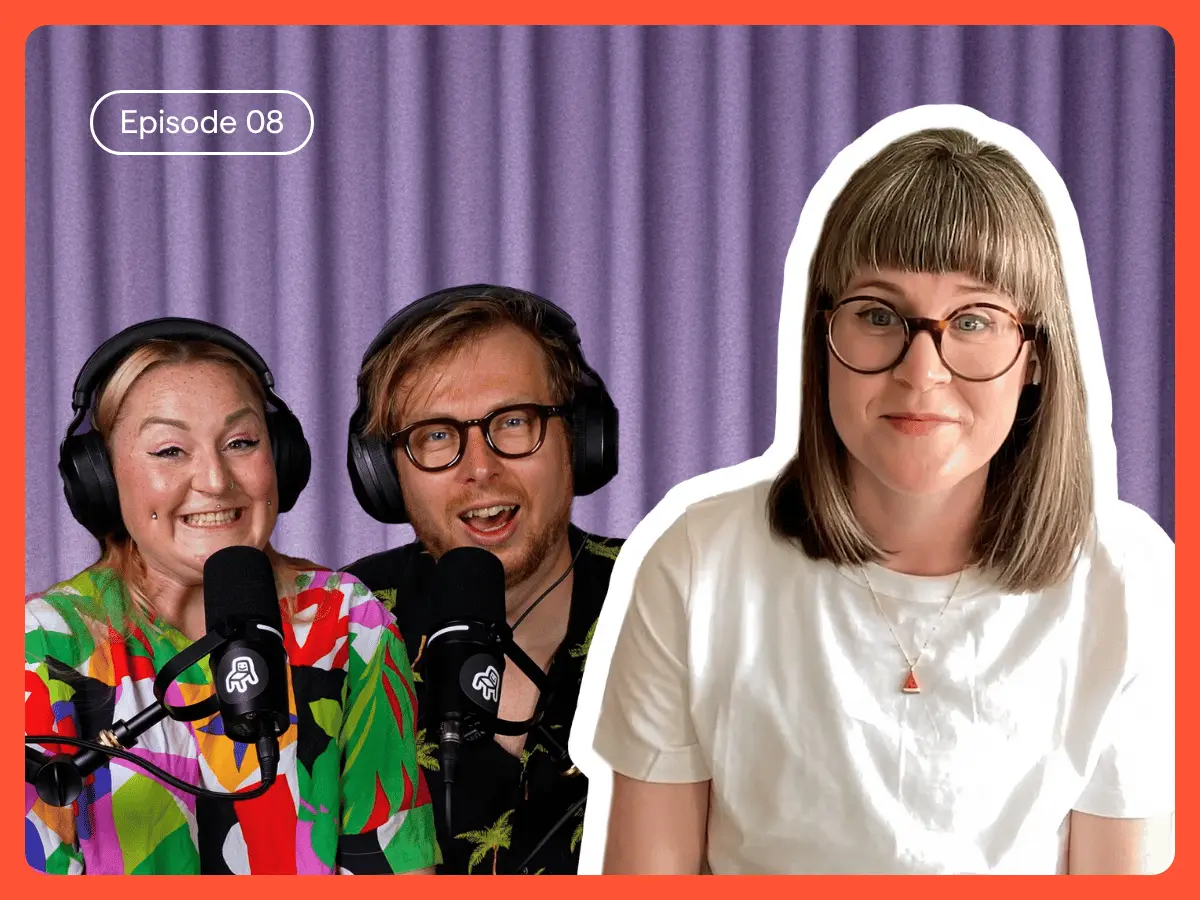

Joss Cambridge-Simmons is a multi-award-winning nanny, Early Years educator, and the founder of Jossy Care. Joss is passionate about self care, mental health, well being, love, and of course, childcare and education. Joss is also a DJ as well as a writer and a speaker, and content creator - you can find him on all your favourite social media platforms. Joss is a 7 times award-winner and 16 times award-nominee, he recently won the Role Model of the Year 2025 at the Multicultural Inspire Awards - huge congratulations!
Joss believes that it comes down to Gender roles and gender stereotypes. Traditional views of men as leaders rather than nurturers create barriers for male participation in early years education, though younger generations show more progressive attitudes toward men working with children.
"We live in a patriarchal society, and how men see men, how society treats men and how men get treated, all have an effect on why men don't nurture and care or don't think they can," explains Joss, "Society in all cultures sees men as leaders and providers before they see us as givers of care and nurturers."
Joss' perspective is that, if we want more men working in the Early years, we need to start with fathers. This means supporting fathers to be present nurturers and carers in their children's lives, right from birth.
"I guarantee if more men got longer maternity leave, same as a mum did, they might turn around and be like, 'You know what, I might become a childminder,' because they realise they might have found the gift just from being at home so much with their children. They realise that this can actually make sense, 'I can be at home more with my children if I become a nanny, because my child can be with me.' It's changing the narrative of how we view men as one way inclined and also supporting men in having versions of masculinity that work for them."
Joss Cambridge-Simmons, Jossy Care
Sadly, even within the sector, male stereotyping has led to potential clients making assumptions about Joss' pedagogy and practice.
"I get a lot of DMS or emails saying, 'Hi Joss, I've seen your work, I love it. etc, I'm looking for childcare, and we need somebody that's like, 'You need some discipline!'... I'm not the man you're looking for; it's the wrong person. In the same way we see men as providers and leaders, we see men as authoritarians, and people who discipline and put their foot down. So what, are we looking at women as walkovers?"
In short, no, says Joss. Hiring a male nanny (or a nanny at all) shouldn't be because of their gender, but because of the skills they bring to caring roles.
"I no longer correct people," explains Joss, "But I think we've got to a stage where it's no longer correct to 'gender-ify' this job role. There's no gender-specific title for nanny - it's not registered anywhere to say, you're a manny."
It's not an issue of men in childcare, it's an issue of society changing how we view men and support men, and creating spaces for men to be soft and nurtured and seen, before we push them into Early Years.
Joss Cambridge-Simmons, Early Years Specialist and Nanny
The power of representation of male caregivers is clear in Joss' own career, and he hopes his visibility will inspire other men.
"Because I've come from spaces where men were caring for me and nurturing (or trying their best to), I only knew how to try to be nurturing. It's all I knew," says Joss, "I've come from it. It's why I say, 'When you're loved well, you love well'."
Yet we still lack diversity in the Early years. We need diverse carers and role models for children across a spectrum of backgrounds and experiences.
"If you go and put a black male or a lady in a burka in a space and say, 'Hey, this is what early years can look like for you', it shouldn't challenge the status quo," says Joss. "It should just be accepted because we are who we are, and how you present visually shouldn't be an issue."
So how do we improve the representation of not just men in the Early Years, but also encourage a career in Early Years to a wide variety of educators and leaders?
"Change is inevitable," says Joss, "You've got voices, you've got Laura Henry-Allain that's been trailblazing for years. You've got the Black Nursery Manager, you've got Jamel Carly Campbell. You've got the likes of Famly, and other entities within Early Years that are allies and understand their own privileges and use that to benefit the greater audience, and are not afraid to have certain conversations."
Joss says that, in the Early Years, we've got to be better at honestly asking ourselves, "Is this job really for me?"
There's a misconception that, having experienced trauma, we might be better equipped to support children's development, especially those who need more help.
"I understand the notion that you understand kids and you get it because you've been there and you've been through what you've been through," says Joss, "But because of what you've been through, it doesn't automatically make you more applicable to be a practitioner or nanny. It doesn't give you an extra skill set."
In fact, Joss worries that the focus on supporting the children can lead to educators trying to heal themselves through their practice, rather than undertaking the self-care and healing they need to.
"You don't heal because you're over here and it's so love and light and it's so beautiful when you're saving the world, and you're saving children," adds Joss, "You've got trauma-informed practice, but it sometimes takes away from the work that has to be done on oneself. Because we still need to heal as adults, we've still got traumas that present themselves."
Joss believes that greater collaboration between nannies and the broader Early Years sector is needed.
"Practitioners and families, the nurseries, the consultants all see nannies as Early Years, and some nannies see themselves as Early Years, but not enough," explains Joss, "When I go to Early Years-based conferences and events, I'm usually the only nanny present. And, when I go to nanny conferences and award shows and events, there doesn't seem to be any Early Years practitioners."
Think how much we can learn from one another when we're all working towards the same goal.
"We're all here for the same cause," says Joss, "Regardless of your job title or your salary, we're all here to care for children and families."
Using love as a pedagogical approach can challenge systemic barriers and create meaningful change, while allowing practitioners to show up authentically builds inclusive spaces in early years settings.
"I call my pedagogy Love Safety," says Joss, "Because of the way I love these children and keep them safe. They're able to feel safe and feel loved and speak their mind and never get chastised for it. I might not like what I'm hearing, but I'm always gonna receive it, and if I told them I don't like it, I'll word it in a way where they understand that that's not maybe what we say. But how do I also tell them that's not what they say if they're speaking the truth?"

Start listening now